Why You Should Generate a Game Character with Empty Hands and Add Equipment Separately
Character pipelines in 2026 are moving toward modularity. Instead of baking a sword or a rifle into the character mesh, many developers now generate a character with empty hands and attach weapons later. This approach is faster, more flexible, and essential for games that rely on inventory systems or frequent gear changes. GripForge supports this workflow through its character generation and attachment tools.
Summary
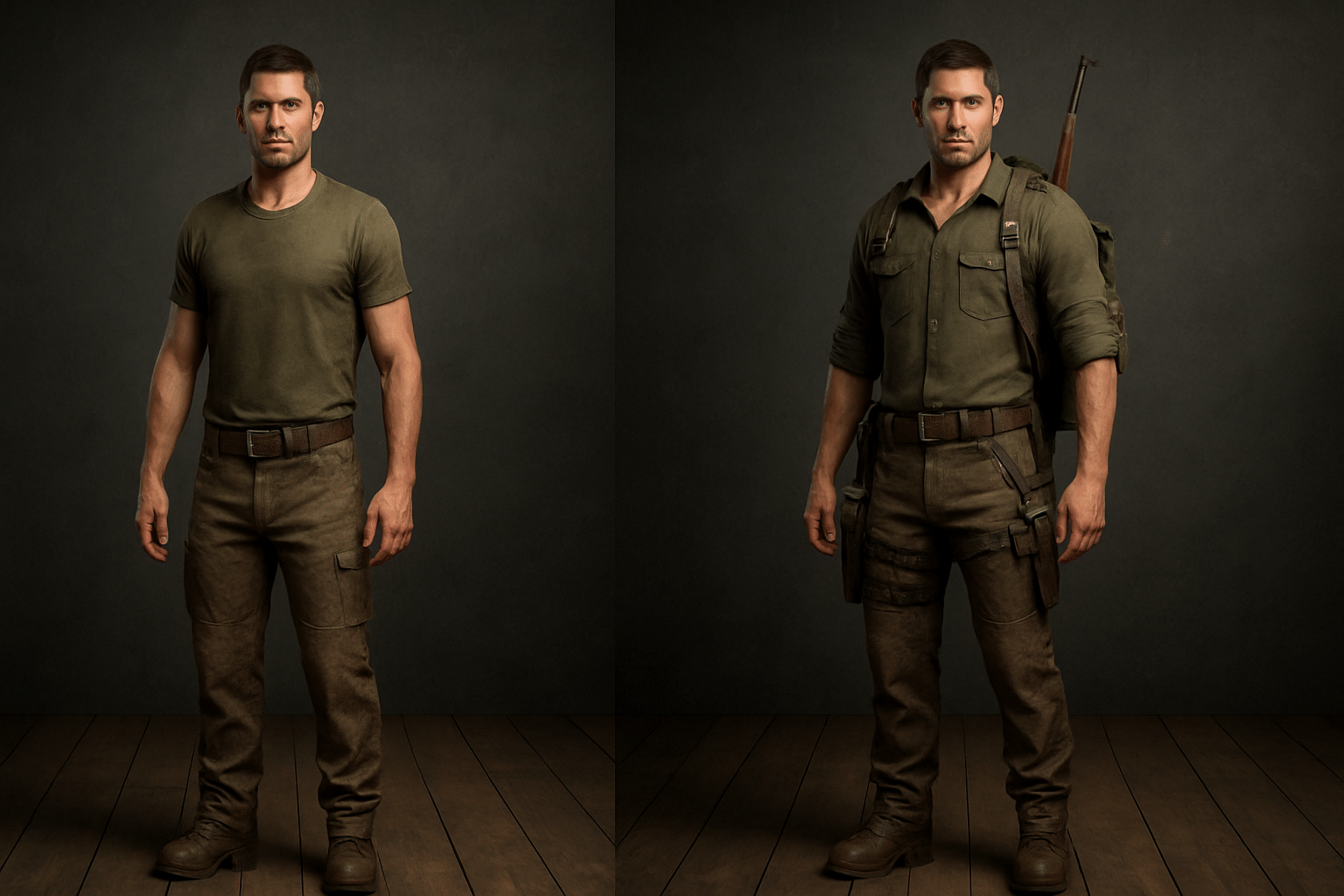
Generating a character with empty hands separates the base rig from the equipment. This allows you to swap weapons without re-rigging, reuse animations across characters, and attach accessories to the same socket. It is the standard practice for role-playing games and shooters where equipment changes during gameplay.
The Problem with Baked-In Weapons
When a weapon is modeled as part of the character, it is static. The character cannot drop the weapon, pick up a new one, or show an empty hand state. If you need to change the weapon, you must edit the mesh, re-weight the skin, and retest the animations.
Baked-in equipment also increases file size and production time. Each weapon variant requires a whole new character export. For a game with 100 weapons, that becomes 100 separate character files.
The Benefits of Empty Hands and Separate Equipment
1. Reusable animations
An idle, run, or attack animation works for a character whether they hold a club, a gun, or nothing. The hands stay in the correct pose, and the weapon is attached to a bone or socket.
2. Faster iteration
You generate the base character once. Then you test different attachments in real time. If a weapon does not fit, you adjust the socket, not the whole skeleton.
3. Cleaner character generation
AI-based character generation tools produce better results when they focus on anatomy, face, and clothing. Adding a complex weapon forces the model to handle too many elements at once. Empty hands lead to fewer artifacts and a cleaner silhouette.
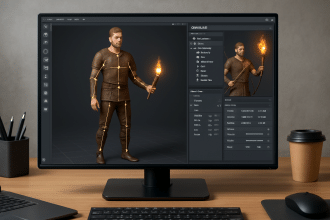
GripForge prioritizes this workflow. The platform helps you generate and edit 3D characters for games, then attach weapons and accessories separately. This reduces the need for manual retopology around the hands and fingers.
How the Attachment Workflow Works
A typical workflow in 2026 looks like this:
- Generate a character with a neutral hand pose (fingers slightly relaxed, palm open).
- Export the character as an FBX or GLB file.
- Import the weapon as a separate mesh.
- Define a socket on the character’s hand bones.
- Attach the weapon to the socket in your game engine or via a tool like GripForge.
- Adjust the grip pose if needed, or use a provided animation set.
This is especially useful for browser-based games. Modular kits for browsers need to be lightweight. Loading a character and a weapon separately lets you stream only the gear a player actually uses.
Attachment Support in GripForge
GripForge offers specific support for weapon attachments and accessories on 3D characters. The service is designed so you can generate a character with empty hands and then attach items later. Because the attachments are separate objects, you can reuse them across multiple characters.
This approach also helps with asset libraries. You can store a single sword asset and use it on a knight, a rogue, or a creature. You do not need to create a unique sword for each character. The shared 3D asset library in GripForge encourages this reuse.
When Empty Hands Are Not the Best Choice
There are a few exceptions. For a static cutscene character or a statue, baking the weapon into the mesh is fine. It saves a draw call. For a mobile game with a single fixed weapon, baking can also simplify the setup. However, if your game has any kind of equipment progression, separate attachments are better.
Impact on Texture and Material Work
Separate attachments also make material work easier. A metal sword needs a different roughness and metallic setup than a cloth glove. When they are separate objects, you can assign different materials without affecting the whole character.
You can also generate the weapon texture independently. If you are unsure whether to fix a texture seam or generate a new texture, you can do it on the weapon alone without touching the character’s skin. This isolation speeds up debugging.
Conclusion
Generating a character with empty hands is a practical choice for modern game development. It separates the base body from the gear, enables faster iteration, and keeps your asset library modular. GripForge gives you the tools to generate characters, attach weapons, and share assets across your team, so you can build a flexible production pipeline in 2026.